Currency
INR

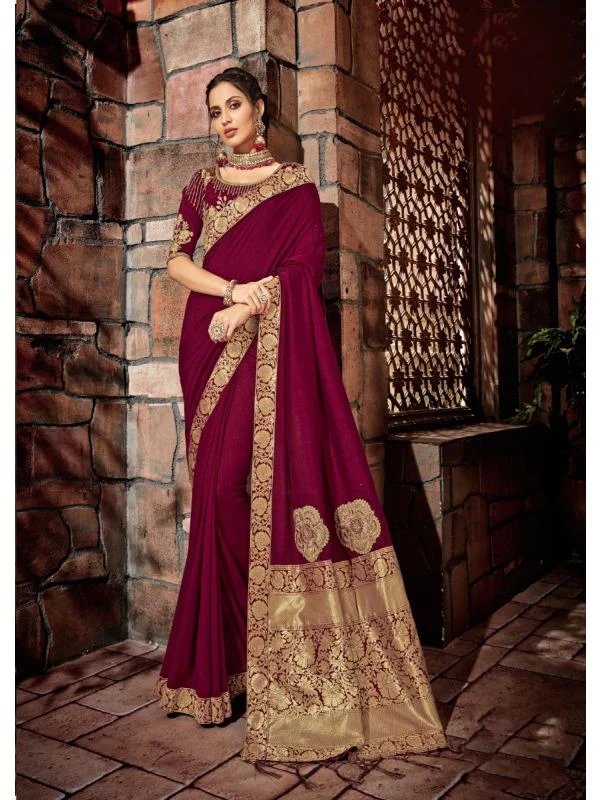
A saree isn’t just an outfit—it’s a feeling, a connection to our roots, and a story woven in fabric. Whether it’s your grandmother’s treasured silk saree or a trendy drape you picked for a special occasion, every saree holds a memory, a sentiment, and a touch of tradition. It has graced Indian women for centuries, evolving with time yet never losing its charm.
What makes sarees truly special is their versatility. From the Banarasi weaves of North India to Kanchipuram weaves of the South, every region adds its own unique touch. Whether worn at weddings, festivals, or even as everyday attire, the saree adapts effortlessly—blending tradition with modernity.
In this article, we’ll take a deep dive into the world of sarees—their rich history, stunning varieties, and how they continue to redefine fashion. Whether you’re a saree lover or just starting to explore ethnic wear, get ready to embrace the magic of this timeless masterpiece!
The Timeless Legacy of Sarees
The saree is not just a garment, it is a legacy woven with tradition, craftsmanship, and cultural pride. Sarees have been an integral part of Indian attire for centuries, representing elegance, femininity, and heritage. Despite changing fashion trends, the saree has remained timeless, adapting to modern sensibilities while preserving its ethnic roots.
Historical Origins and Cultural Significance
Women, In the early days, draped long pieces of cloth as a form of modest yet graceful attire. The word "saree" comes from a Sanskrit term, meaning a strip of cloth. Unlike stitched garments that evolved significantly over time, the saree retained its fundamental draped form while embracing new fabrics, patterns, and regional influences.
Over the centuries, sarees have reflected the artistic heritage of Indian weavers, with every state contributing its own unique style. From the Banarasi silk of Uttar Pradesh to the Kanchipuram silk of Tamil Nadu, every saree tells a story of its origin. These handwoven masterpieces not only highlight India’s textile expertise but also celebrate the rich heritage of different regions.
Sarees in Royal Courts and Social Traditions
During the reign of Indian dynasties, sarees became a mark of royalty and sophistication. Queens and noblewomen with richly embroidered silk sarees, often woven with gold and silver threads. The Mughal and British influences introduced new weaving techniques, floral patterns, and the use of metallic yarns, elevating sarees to a status symbol among the aristocracy.
Beyond the royal courts, sarees became deeply embedded in social and cultural traditions. Brides are draped in auspicious red and gold sarees, symbolizing prosperity and happiness, while festival celebrations often showcase vibrant weaves that reflect the joy of the occasion. Even today, sarees hold a sentimental value, passed down through generations as family heirlooms, carrying with them stories of love, tradition, and pride.
The saree’s ability to blend tradition with modernity is what makes it truly timeless. Whether it’s worn in its classic form or given a contemporary twist with fusion drapes, the saree continues to stand as an invincible throne of ethnicity—an everlasting symbol of Indian heritage.
Diversity in Sarees: A Fabric for Every Region
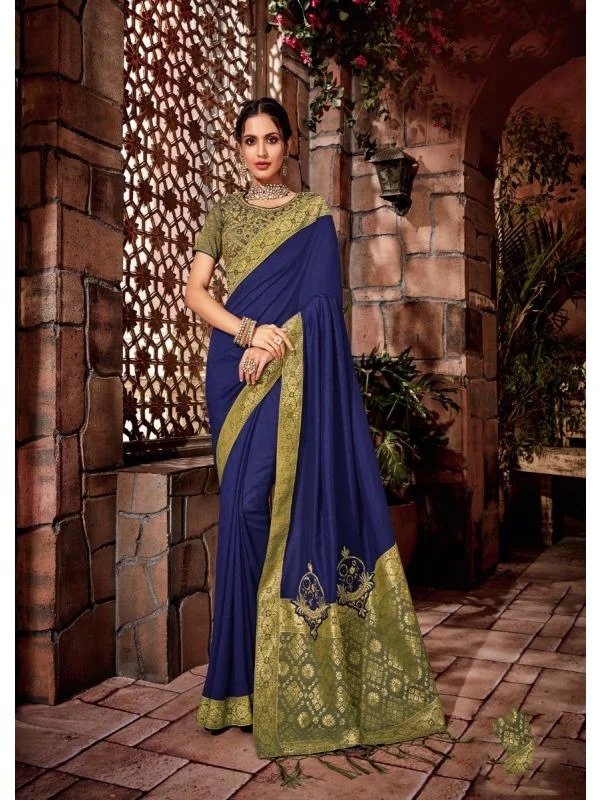
India’s sarees are as diverse as its culture, each region weaving its own story into six yards of elegance. From the regal Banarasi silk of Uttar Pradesh to the vibrant Bandhani of Gujarat and Rajasthan, every saree has its charm. Kanchipuram sarees from Tamil Nadu radiate grandeur, while Chikankari from Lucknow is all about delicate hand embroidery. In the east, Tant and Jamdani from Bengal offer effortless grace, and Muga silk from Assam dazzles with its golden sheen. More than just clothing, these sarees are a celebration of India’s artistry, tradition, and timeless beauty.
Imagine walking into a grand Indian wedding—chances are, you’ll spot at least one bride draped in a stunning Banarasi saree. These sarees are all about opulence, woven with pure silk and intricate gold or silver zari work. Originating from Varanasi, they were once a favorite among Mughal royalty, and even today, they continue to be a symbol of grandeur. The delicate floral motifs, paisleys, and intricate patterns make each saree a masterpiece. If you’re looking for something timeless for your wardrobe, a Banarasi saree is an heirloom in the making!
Bold, beautiful, and built to last—Kanchipuram sarees are South India’s pride. Made in Kanchipuram, Tamil Nadu, these sarees are known for their contrasting borders, temple-inspired motifs, and rich silk fabric. What makes them special? The silk threads are dipped in liquid gold and silver before weaving, giving the saree an elegant sheen that lasts for decades. If you’ve ever seen a South Indian bride, you’ll know how breathtakingly gorgeous these sarees look, especially when paired with gold jewellery.
If there was ever a saree that could be called a true labor of love, it’s Patola. Woven in Patan, Gujarat, these sarees follow an intricate double ikat technique, meaning both the warp and weft threads are dyed before weaving. The result? A strikingly symmetrical design that looks the same on both sides! Patola sarees were once exclusively worn by royalty, and even today, they are a status symbol. With vibrant colors and intricate geometric patterns, a Patola saree is a must-have if you appreciate fine craftsmanship.
Nothing screams celebration quite like a Bandhani saree. These sarees are made using the tie-dye technique, where tiny portions of the fabric are tied before being dyed to create mesmerizing patterns. Predominantly found in Rajasthan and Gujarat, Bandhani sarees come in lively colors like red, yellow, green, and blue, symbolizing joy and prosperity. Whether it’s Navratri, a wedding, or just a day you want to add some color to your life, a Bandhani saree never disappoints!
Ever heard of a silk that gets shinier with age? That’s Muga silk for you! Exclusive to Assam, Muga silk sarees are famous for their natural golden hue, durability, and royal elegance. Woven from silkworms found only in Assam, this fabric is one of the rarest and most luxurious silks in the world. It’s no surprise that these sarees were once reserved for Assamese royalty. If you want a saree that’s as unique as it is timeless, Muga silk is a true gem.
Soft, delicate, and dreamy—that’s what Chikankari sarees are all about. Originating from Lucknow, these sarees feature intricate hand embroidery on light fabrics like cotton, chiffon, and georgette. The embroidery, often in white threads, gives the saree an ethereal elegance that’s perfect for summer events or sophisticated gatherings. If you love subtle, graceful fashion, a Chikankari saree is pure magic!
If you’ve ever been to West Bengal, you’ll know how much Bengali women love their sarees. Tant sarees are lightweight, crisp cotton sarees perfect for daily wear, with bold borders and simple, elegant designs. On the other hand, Jamdani sarees are a luxurious version, featuring handwoven floral motifs on fine muslin fabric. Both sarees are incredibly comfortable and stylish, making them a favorite among women who love understated elegance.
Sarees for Every Occasion
Sarees are more than just garments; they are a reflection of culture, elegance, and personal style. Whether it’s a wedding, a regular workday, or a casual outing, there’s a saree that fits the moment effortlessly. Let’s explore some of the most common saree choices for different occasions.
Weddings and festivals call for sarees that exude grandeur and tradition. Rich silks with intricate detailing have always been the top choice for such occasions.
For festivals like Diwali or Durga Puja, these sarees enhance the festive spirit with their richness and intricate craftsmanship.
For workwear, sarees that are lightweight, comfortable, and easy to manage are the best choice. They provide a balance between grace and practicality.
These sarees help maintain a professional yet stylish appearance throughout the day.
For casual outings or parties, lightweight and easy-to-carry sarees are preferred. They allow for both comfort and a touch of glam.
These sarees are ideal for occasions where style meets ease.
During the hot months, comfort takes priority. Sarees with breathable fabrics help beat the heat while maintaining elegance.
These sarees keep the wearer cool while preserving the beauty of traditional drapes.
Styling a Saree with Perfection
A saree is more than just an outfit—it’s a timeless tradition. The way you wear it can make all the difference, whether you want a classic, elegant look or something trendy and modern. From choosing the right blouse to adding accessories, every detail matters.
The blouse can completely change the way a saree looks.
A well-fitted blouse enhances the beauty of the saree while keeping it comfortable.
The right accessories can make a simple saree stand out.
A balanced mix of accessories can make any saree look perfect.
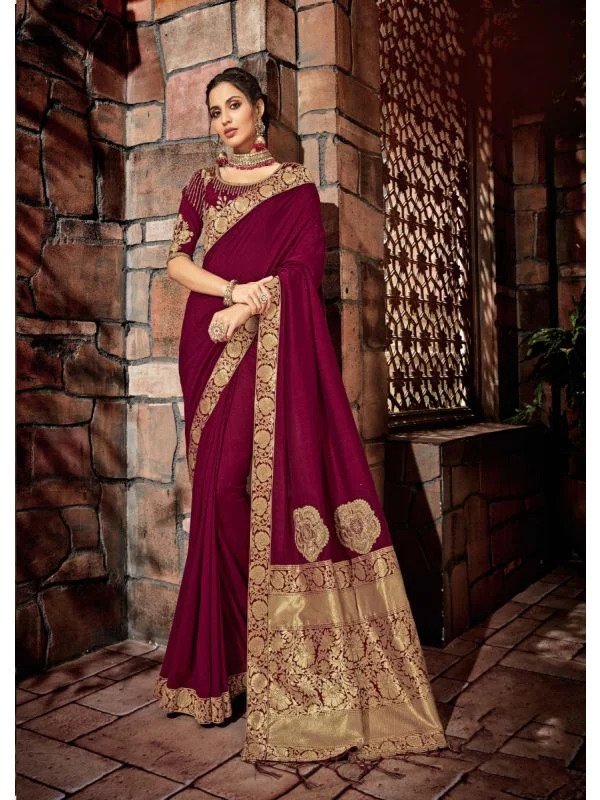
How you drape a saree changes its entire look.
Experimenting with draping styles helps in creating different looks for different occasions.
Sarees don’t always have to be traditional—they can be styled with a trendy edge.
Sarees are versatile and can be styled in many ways, keeping both tradition and fashion in mind.
Caring for Your Sarees: Simple & Effective Tips
A saree is not just clothing—it carries memories, traditions, and emotions. Whether it’s a heavy Kanchipuram saree passed down through generations or a light cotton saree for summer, proper care keeps it beautiful for years. Here’s how you can keep your sarees fresh and long-lasting.
Different fabrics need different care when it comes to washing and storage.
Following the right washing and storage methods keeps sarees fresh and damage-free.
Silk sarees are delicate and need special attention to maintain their rich texture.
With the right care, silk sarees can stay beautiful for generations.
Over time, sarees can fade or wear out if not handled properly. Here’s how to keep them in great condition:
A little extra care ensures your sarees stay as fresh and elegant as the first time you wore them. Whether it’s a treasured heirloom or a daily favorite, taking care of your sarees helps them last for years.
Experience Elegance at Shashini Fashions
The saree is a perfect mix of tradition, elegance, and culture. From soft cottons to rich silks, every weave has its own beauty. No matter the occasion, a saree always makes a woman feel special.
At Shashini Fashions, we bring you a collection that blends heritage with modern grace. From subtle pastels to bold festive shades, from delicate embroidery to intricate zari work—every saree in our collection is designed to make you feel elegant and confident.
Step into the world of Shashini Fashions, where every drape tells a story, and every weave carries a legacy. Let the timeless beauty of sarees be a part of your journey, making every occasion special and every moment unforgettable.



Comments