Currency
INR

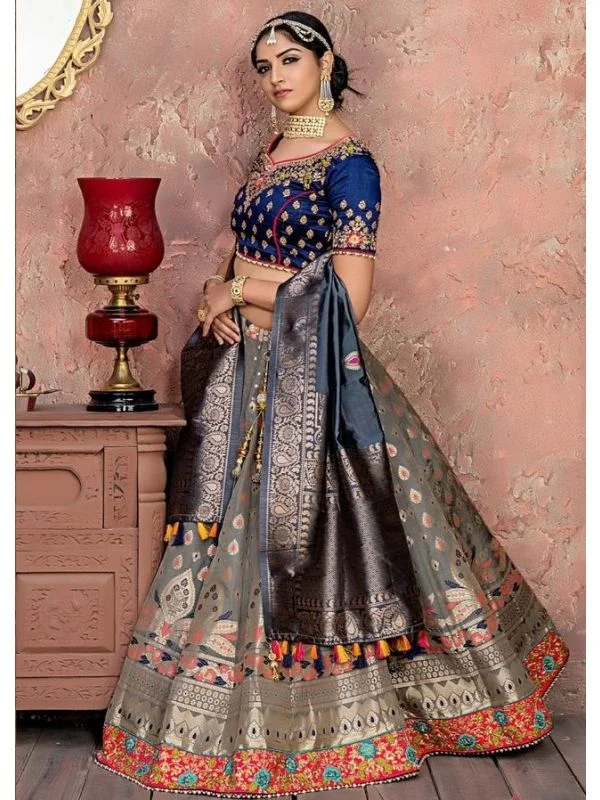
Traditional women's clothing stands as one of the most vibrant expressions of cultural heritage. Each garment tells a unique story of customs and history. The flowing sarees of India, spanning six to nine yards, and the intricate Anarkali suits, named after Mughal-era dancers, have shaped cultural identity through centuries.
Indian traditional women's clothing demonstrates how these garments exceed simple fashion statements. Modern kurta designs blend contemporary elements with cultural significance. The rich diversity continues to evolve and adapt. Classic traditional women's clothing, whether Indian or Scottish, shapes modern fashion trends. These garments adapt to current needs yet preserve their authentic charm.
Traditional wear has changed from ancient wisdom to become a versatile part of modern wardrobes. This piece shows how these garments retain their cultural significance and timeless appeal through generations.
Traditional women's clothing has a rich history that stretches back thousands of years. Archeological findings from the Indus Valley Civilization around 2500 BCE tell us fascinating stories about early fashion. Scientists found flax fibers in the Dzudzuana Cave that people had twisted, cut, and dyed in different colors. These artifacts date back 30,000-36,000 years.
Ancient societies created detailed dress codes that mirrored their social status and cultural values. People first wore clothes to protect themselves from nature, using animal skins and plants. Their garments grew more sophisticated as societies developed and became symbols of social position.
Egyptian society used clothing quality to mark social differences. The wealthy wore fine linens in see-through garments with dyed threads and feathers. Women of the Old Kingdom typically wore the kalasiris - a long skirt that reached from their ankles to just below or above their breasts.
Greek women spent much of their time weaving and spinning simple clothing from wool or linen. Their main garments included:
Traditional clothing became a powerful symbol of cultural expression over time. Communities used their dress to share their identity and values. Ancient India started growing and using cotton around 2500 BCE during the Harappan era. Archeologists found evidence of women wearing knee-length skirts with bare waists, headdresses, and heavy jewelry.
Traditional clothing's rise mirrors society's changing norms and cultural values. Dress codes helped people identify someone's marital status and social position. Roman society expected respectable women to wear the stola - a long tunic that set them apart.
The textile industry shaped women's traditional clothing significantly. Babylonian fashion centered on wool and linen, though flax and cotton were harder to find. Assyrian women loved wool in various colors like green, red, dark purple, blue, and brown. Their robes often had embroidered fringes.
Clothing grew beyond its role as body covering and became an art form that expressed cultural identity. Traditional garments carried stories through their detailed patterns, colors, and designs passed down through generations. Communities proudly wore their ancestral outfits to preserve their heritage and resist outside cultural pressures.
Traditional women's clothing around the world shows the amazing diversity of cultures. Each region creates unique garments that tell stories of their heritage. The intricate embroidery and symbolic colors paint a picture of how communities have grown through time.
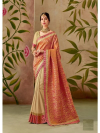
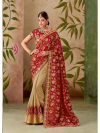
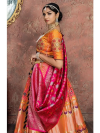
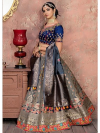
Indian traditional women's clothing includes a rich variety of garments. The saree, a six-to-nine-yard fabric, remains one of the most versatile pieces that women drape in many regional styles. Women also wear salwar kameez, lehengas, and Anarkali suits. Each style carries its own cultural meaning.
Recent studies show that traditional clothing makes up about 70% of women's clothing sales in India. These garments stay popular because they adapt well to modern needs while keeping their cultural importance. Today's designers mix traditional elements with modern shapes to create pieces that honor heritage in new ways.
European women's fashion stands out with its tailored perfection and sophisticated simplicity. French women love polished suits that mix professional appeal with elegance. Fashion styles vary from Paris to Rome, and each region adds its own touch to the classic European wardrobe.
European women value quality over quantity. They focus on:
Scottish women's traditional attire shows both practicality and cultural pride. The traditional dress usually has:
Women from specific clans often wear broader sashes, which they fasten at the left shoulder with special brooches. Women who marry outside their clan but want to keep their original clan tartan wear the sash from the right shoulder and tie it at the bottom left side.
Asian traditional clothing shows amazing diversity in all regions. The kebaya, an important garment in Southeast Asia, proves this rich heritage. This beloved garment has such importance that five countries - Brunei, Malaysia, Singapore, Indonesia, and southern Thailand - joined forces to nominate it for UNESCO's Intangible Cultural Heritage List.
Chinese women's traditional clothing has changed a lot through dynasties. The cheongsam became highly popular among socialites in the 1920s. Traditional Asian garments are seeing new life today. The number of hanfu enthusiasts grew from 3.56 million in 2019 to over six million in 2020.
Modern Asian fashion designers blend traditional elements with new styles skillfully. Singaporean designer Oniatta Effendi creates new versions of the kebaya for younger generations. Her versatile pieces honor heritage while matching today's style. Chinese designers also make traditional garments more available to modern women. They know how important it is to keep cultural elements alive in today's fashion.
Women's clothing has changed remarkably through the centuries, showing the deep connection between fashion and society. Simple protective garments evolved into intricate designs that showed social status, and these changes tell an amazing story across different periods in history.
Making cloth ranked among women's main tasks in ancient times. They devoted much of their time to spinning and weaving wool into rectangular cloth pieces. These pieces became simple garments like tunics and shawls, and women decorated them with patterns and embroidery. Rich women could get silk, cotton, linen, and flax, based on their social rank and where they lived.
Scientists found the oldest proof of textile skill in the Dzudzuana Cave. They uncovered flax fibers that people had twisted, cut, and dyed different colors. Egypt's fashion showed clear social ranks. Queen Cleopatra's clothes sparkled with gold and semi-precious stones. Greek women liked silk and linen clothes best, which kept them cool in hot weather.
Women's fashion took a new turn during the medieval era between AD 410-1485. Clothes grew more complex as different styles emerged for each social class. By 1300, wealthy women's gowns had tighter fits and lower necklines.
A typical medieval woman's wardrobe had these key pieces:
Social status shaped medieval fashion choices deeply. Upper-class women wore three garments. The third piece could be a surcoat, bliaut, or cotehardie. These fancy pieces often had fur trim or silk decorations with detailed designs. Poor working women rarely wore this third garment because fabric cost too much.
The 14th century brought a fashion revolution. Dressmakers cut clothes to show off body shape - quite different from the loose garments worn before. Noble women's clothing grew more ornate with gold and silver threads woven through.
These changes continued into the 1100s. Women started wearing body-fitting cotes. Upper-class fashion featured full skirts and long flaring sleeves. Noble women often added decorative touches around their necklines. The 1200s saw women adopt the cyclas. This started as a simple rectangular cloth with a head hole and grew into a long, sleeveless tunic.
Traditional and contemporary elements have come together to create something new in women's clothing design. Designers from all types are giving classic silhouettes a fresh look through new techniques. Their creations honor cultural heritage and modern tastes.
Designers have given traditional wear a modern twist through new silhouettes and styling. Today's kurta collections feature asymmetrical hemlines, fusion prints, and creative necklines that bring fresh ideas to classic designs. Traditional embroidery and patterns blend naturally with these contemporary elements to create versatile pieces for any occasion.
The rise of traditional garments has brought several modern elements:
Clean lines and minimalist designs have become popular among fashion lovers who want understated elegance. Designers now use eco-friendly materials and natural dyes to show their steadfast dedication to environmentally responsible fashion.
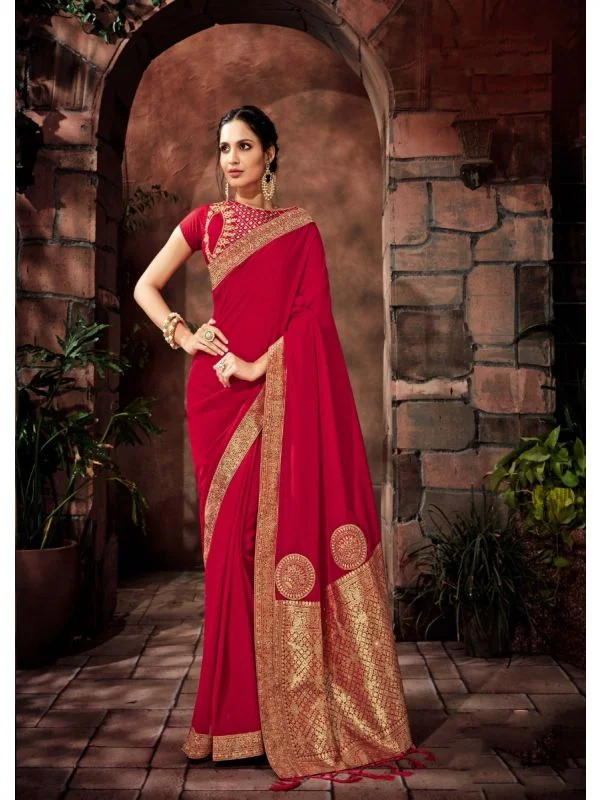
Traditional and modern fashion meet to create exciting fusion trends. Indo-western ensembles are among the most important movements, where designers mix elements from different cultural traditions. Pairing kurtas with jeans has become a trendy look that stays true to cultural roots while looking modern.
Today's fusion styles include:
Handloom fabrics and block printing have found a new place in modern designs. These traditional crafting methods combined with new esthetics create unique pieces. Young people love them, and they help preserve cultural heritage.
Designer collections play with unexpected color combinations and new patterns. You'll find everything from bold geometric prints to delicate floral motifs. Modern embellishments like sequins, beads, and crystals add contemporary glamor to traditional garments.
Changes go beyond just looks. Modern versions focus on comfort and practicality as much as style. Bell sleeves, high-low hems, and side slits make traditional wear more versatile and practical. These changes have made traditional clothing available to women who want both cultural connection and modern appeal.
Fusion co-ord sets have become popular over the last several years. They use traditional prints like block prints, ikat, or bandhni in modern designs. These ready-to-wear outfits are convenient yet culturally authentic. Different cultural influences blend together to open new creative possibilities in fashion.
Traditional garments need careful attention and the right techniques to last longer. We must protect these precious pieces of our cultural heritage for future generations.
The right storage makes a big difference in keeping traditional clothes in good shape. Your garments should be kept in a cool, dry place away from sunlight to keep their colors bright. Padded hangers work better than wire ones that can mess up the shape of ethnic wear.
Delicate pieces stay safer in muslin or cotton bags than plastic covers. You should put acid-free tissue paper between fabric folds to stop creases and damage. Adding silica gel packets helps soak up extra moisture and keeps precious garments from getting ruined.
Traditional clothes need special care. Make sure your garments are really clean before storing them. Even tiny stains or sweat marks can stain forever. Talcum powder works great on oil stains - just let it soak in before you brush it off gently.
Here's what you need to do regularly:
Documentation is a vital way to preserve traditional clothing heritage. This process captures data about the history, technical details, and beauty of textile craftsmanship.
These three main ways help document everything:
Good documentation helps future generations learn about these artifacts. Digital databases make collections available to students, scholars, and designers worldwide.
Most traditional clothes are made from natural fibers like cotton, silk, hemp, and wool. Time, temperature, humidity, and light can damage these materials. Digital collections of style, color, pattern, and craft help preserve traditional clothing's physical-cultural meaning for the future.
Celebrate the beauty of tradition with Shashini Fashions! Our exquisite collection blends heritage with modern elegance, offering timeless ensembles that honor cultural roots while embracing contemporary fashion. Explore our sarees, lehengas, and fusion wear—each piece crafted to tell a unique story of grace and sophistication. Experience the magic of tradition reimagined. Shop now at Shashini Fashions!s




Comments