Currency
INR

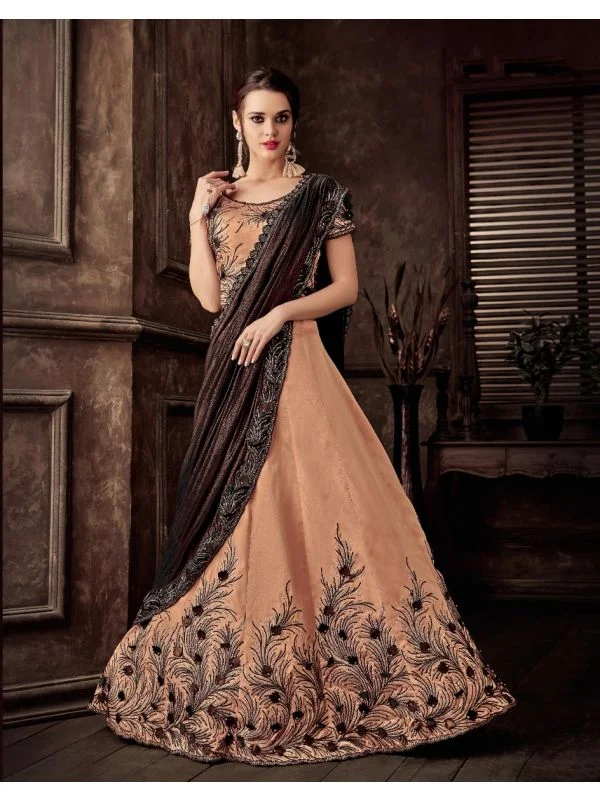
The lehenga has been a cherished traditional Indian garment since the 16th century. Women throughout India have worn this beautiful attire for generations. Women from every class loved it because of its royal appeal, and today this outfit continues to engage fashion lovers around the world.
The world of lehengas features stunning designs from classic A-line silhouettes to dramatic double-flared styles. Beautiful gota patti embroidery adds to their charm. This piece will guide you through everything about this traditional ensemble. You'll discover regional variations and learn useful care tips, whether you need the perfect wedding lehenga or want to explore this iconic garment's rich heritage.
The lehenga ensemble showcases centuries of craftsmanship through three pieces that blend perfectly to create a stunning traditional outfit. Let me walk you through its key elements and the amazing silhouettes that have made this garment the life-blood of Indian fashion.
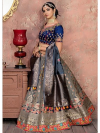
The beauty of a lehenga comes from its three distinct yet harmonious pieces. The lehenga skirt forms the base - a long, flowing garment that runs from waist to ankles. The choli, a precisely tailored blouse, highlights the upper body. The dupatta, a graceful scarf that drapes across the shoulders, brings this magnificent ensemble together.
Each component stands out because you can customize it to your taste. The lehenga skirt anchors at the waist and becomes a canvas for detailed embroidery and embellishments. The choli's cropped design works perfectly in warm Indian weather while keeping its elegance intact. The dupatta adds both beauty and function with its flexible draping options.
Lehenga designs shine through their varied silhouettes, each one crafted to suit different body types and occasions. Here are the main styles that have become must-haves in today's fashion:
Lehenga silhouettes keep evolving as they mix traditional elements with modern style. Designers play with fabrics ranging from light nets and georgettes to rich silks and velvets. New elements like ruffles, layers, and creative draping have expanded today's lehenga styles even further.
A lehenga's detailed stitching process can take up to twenty days, based on its embellishments and fabric choice. Specialized communities handle specific tasks to ensure each piece meets the highest standards of quality and design.
Regional lehenga variations across India tell fascinating stories of craftsmanship and tradition. Each style showcases the rich heritage of different states through unique embroidery patterns and distinctive silhouettes.
The royal history of North India reflects in its lehenga designs. These outfits feature zardozi work, a metal embroidery technique that creates majestic patterns. The designs draw from Punjabi and Rajasthani cultures with rich colors like royal blues, fiery reds, and golden yellows.
Punjabi brides prefer lehengas made from satin, silk, or georgette fabrics. The outfits stand out with exceptional sequin and zari embroidery. Traditional accessories like chooda and kaleeres complete these ensembles.
South Indian lehengas mix traditional and modern elements in unique ways. Rich Kanjeevaram silk fabrics feature temple-inspired motifs. The designs focus on elegance with subtle embellishments instead of heavy decorations.
Modern South Indian lehengas come in popular pastel shades that reflect the region's style. Temple patterns and gold work add an elegant touch to these beautiful designs.
Western India's lehenga designs celebrate the region's rich cultural heritage. The Bandhani technique, a traditional tie-and-dye method, creates stunning patterns unique to these lehengas. Gujarati designs feature beautiful mirror work and detailed handwork. The skirts incorporate pleats and drapes that add movement.
Local art forms inspire the traditional motifs on these lehengas. Vintage embroidery styles have made a comeback, especially the detailed mirror work from Rajasthan. These designs blend cultural elements with modern fashion trends naturally.
Eastern Indian lehengas capture attention through their craftsmanship and subtle beauty. The designs feature Kantha stitch, a detailed embroidery technique that creates beautiful patterns. Light tant fabrics make these lehengas comfortable while keeping their traditional look.
Soft, pastel colors dominate Eastern Indian lehengas. Baby pink, sky blue, and mint green shades mirror the Bay of Bengal's peaceful waters. Bengali lehengas showcase detailed thread work and traditional patterns that highlight the region's love for subtle details.
These regional styles represent centuries of cultural exchange and artistic growth. Modern designers find inspiration in these distinct traditions. They create new pieces that honor India's textile heritage by mixing traditional elements with contemporary designs.
The perfect lehenga choice depends on how different styles match specific occasions. Grand weddings and festive celebrations need unique design elements that boost the wearer's presence.
Red stands as a timeless choice for bridal lehengas and symbolizes love and passion. Wedding ceremonies demand heavily embroidered lehengas with zardozi work that create a majestic look. Brides typically select silk fabrics with intricate threadwork and embellishments.
Lighter wedding functions like mehendi or sangeet work best with softer tones. Pink lehengas create a perfect balance of feminine charm and elegance that suits both daytime and evening events. Gold and silver lehengas bring opulence to the occasion as their metallic hues catch light beautifully during evening celebrations.
Festival lehengas showcase vibrant colors and traditional craftsmanship that capture celebratory moods. Navratri celebrations feature lehengas with detailed embroidery and luxurious fabrics that match the festive spirit. Yellow lehengas shine with their bright, sunny appearance and complement joyful gatherings and family festivities perfectly.
Festival wear highlights these key elements:
Modern party lehengas mix contemporary esthetics with traditional elements. Purple lehengas bring sophistication and royal appeal to evening soirées. Black lehengas make powerful statements at cocktail events with their mysterious elegance.
Party wear lehengas feature innovative designs through:
Casual celebrations work well with georgette and net fabrics that provide lightweight comfort without style compromise. These designs include sequins, digital prints, and modern silhouettes that revolutionize festive dressing.
Orange lehengas create striking statements at vibrant celebrations and represent creativity and enthusiasm. Pastel shades in party wear lehengas offer fresh, modern looks that suit daytime events perfectly.
A beautiful lehenga tells a story through its craftsmanship and attention to detail. Knowing what makes a quality lehenga will help you make smart choices when investing in this timeless garment.
Quality lehengas stand out through their handcrafted elements. Skilled artisans spend hundreds of hours creating detailed embroidery patterns. A single piece can take up to twenty days to complete. You'll spot authentic pieces through these key signs:
Embroidery Excellence: High-end lehengas feature precise, symmetrical patterns without loose threads or uneven stitches. Traditional techniques like zardozi use metallic threadwork to create detailed patterns that show superior artistry. Gota patti embroidery, which uses gold or silver ribbon work, adds luxury when combined with zardozi.
Fabric Finesse: The fabric choice shapes both quality and comfort. Premium lehengas use luxurious materials such as:
Structural Integrity: A well-made lehenga shows perfect stitching with strong seams. The draping flows gracefully and lets you move easily while keeping its shape.
The price tag reflects several elements that add to a lehenga's value. Here's what goes into the cost:
Designer Influence: Well-known designers charge more based on their expertise and brand name. Their collections often include exclusive designs and limited pieces that justify higher prices.
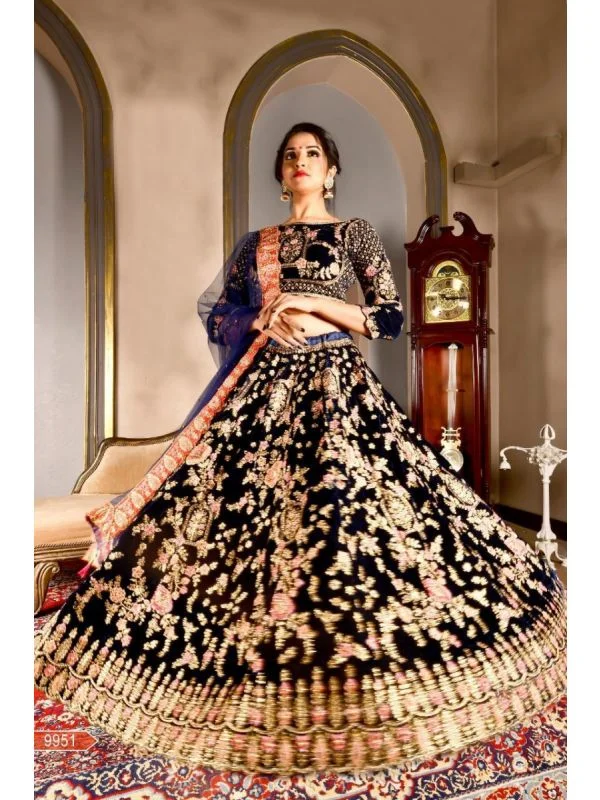
Material Quality: The fabric's source and type affect the cost. Fine silks from Banaras or detailed Chikankari from Lucknow come at premium prices. The amount and complexity of embroidery work associate directly with the final price.
Occasion-specific Pricing:
Customization Costs: Custom pieces need extra budget for fabric selection, tailoring, and multiple fittings. Adding matching accessories like jewelry or footwear will affect your total investment.
Seasonal Variations: Prices tend to rise during peak wedding seasons due to high demand. In spite of that, investing in quality craftsmanship means your lehenga could become a family heirloom.
Embellishment Grade: The type and amount of stones used change the price. Adding precious stones like diamonds, emeralds, and rubies, along with detailed beadwork, drives up the cost.
Look at the fabric quality, embroidery work, fitting, and overall craftsmanship to judge a lehenga's worth. Trusted sellers provide detailed descriptions and custom options. Yes, it is more than just beauty - a well-crafted lehenga becomes a timeless piece that carries style and sentiment across generations.
Your beautiful lehenga needs proper care and attention to stay pristine. Let me show you how to keep your traditional outfit looking gorgeous for years with the right storage, cleaning and preservation methods.
The right storage makes all the difference in lehenga care. Start by wrapping your lehenga in soft, clear muslin cloth to protect delicate embroidery and stop creases from forming. A breathable cotton garment bag works better than plastic covers that trap moisture and create mildew.
Heavy lehengas can lose their shape if you hang them up. The best way is to fold them carefully and lay them flat. Put acid-free tissue paper between the folds to protect the embellishments and stop creases.
The right environment helps keep your fabric in great shape. Pick a cool, dry spot away from sunlight so the colors stay bright. You can also add natural moth deterrents like lavender sachets or dried neem leaves with cloves in muslin pouches to keep insects away.
Your safest bet is professional dry cleaning to keep your lehenga looking perfect. Take it for cleaning every two years even if you rarely wear it. Regular water and detergent can harm delicate fabrics and loosen embellishments.
Here's what you can do between professional cleanings:
Good preservation starts with regular checks. Take your lehenga out every six months and air it in mild sunlight to remove moisture. This keeps musty smells away and maintains the fabric's texture.
Heavily embellished pieces need extra care:
Moisture control plays a big role in keeping your lehenga safe. Put silica gel packets in storage bags to control humidity. Make sure storage boxes have enough space - cramped storage can damage decorations and leave permanent creases.
Your lehenga can become a family heirloom with the right care. Regular attention keeps both its beauty and sentimental value intact for generations.
Lehengas are more than just outfits—they are treasures that blend rich traditions with modern elegance. Each piece reflects intricate craftsmanship, cultural heritage, and personal style, making every celebration special. Choosing a high-quality lehenga is an investment in both artistry and tradition, supporting skilled artisans who keep this timeless fashion alive. With proper care, your lehenga can become a cherished heirloom, carrying memories through generations. Explore exquisite lehengas at Shashini Fashions and embrace elegance that lasts forever!



Comments