Currency
INR

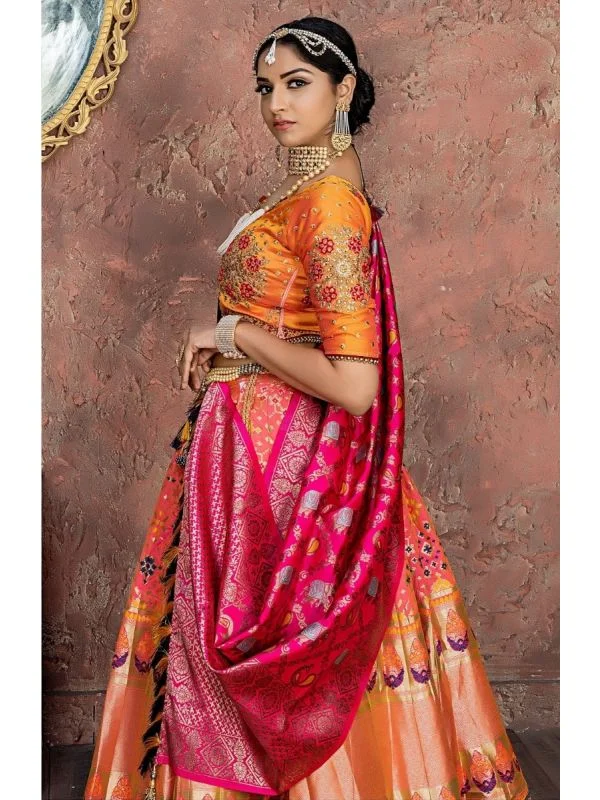
Indian states' traditional dresses tell an amazing story that started in 2500 BCE with cotton cultivation in the Indus Valley Civilization. This rich heritage lives on in various states today, and each state's unique clothing style shows its cultural identity and historical roots.
The sort of thing I love about Indian traditional wear is how it changes from region to region. Assam's elegant Mekhela Chador stands in beautiful contrast to Rajasthan's vibrant Ghagra Choli. South India's women typically prefer sarees, while their northern counterparts lean toward salwar kameez that match local traditions and weather.
This piece takes you through these unique styles to help you understand how to wear them properly and their place in today's India. You'll discover everything from wedding outfits to festival wear and daily traditional clothing, which shows India's traditional fashion's depth and variety.
Indian wardrobes blend tradition with versatility beautifully. These garments showcase the country's rich textile heritage and exceptional craftsmanship.
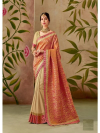
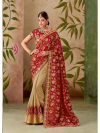
The six-yard saree is the life-blood of Indian traditional wear. Silk, cotton, and chiffon fabrics adapt to different occasions and regional priorities. Kerala celebrates white sarees with golden borders, known as kavanis, during special occasions. Tamil Nadu calls them pudavai, and Karnataka refers to them as Seere.
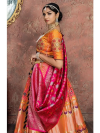
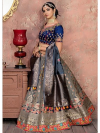
Each Indian state contributes unique garments that deserve a place in traditional wardrobes. Rajasthan and Gujarat showcase the ghagra choli, especially during Navratri celebrations. This beautiful ensemble combines a pleated skirt (lehenga) with a fitted blouse (choli) and an odhani.
Some regional pieces stand out with their exceptional craftsmanship:
The handloom tradition remains crucial to rural economic development. Supporting these traditional garments helps local artisans and communities thrive. Contemporary designers now create modern interpretations of these classics that appeal to today's fashion-conscious individuals.
Natural fabrics dominate traditional Indian clothing. Cotton works best in warmer regions while wool suits colder areas. This careful selection of materials combined with regional design elements gives each garment both practical and cultural significance.
North and South India's clothing traditions showcase the country's rich cultural diversity that centuries of artistic progress and regional influences have shaped.
Tamil Nadu's textile heritage revolves around pure silk, with Kanchipuram silk showing exceptional craftsmanship. Artisans craft these fabrics from pure mulberry silk threads and add intricate zari work with temple-inspired motifs. North Indian traditional wear features a wider range of materials like cotton, velvet, and brocade.
Weather patterns determine fabric choices. Southern regions use cotton because it keeps people cool and comfortable. Northern states need heavier fabrics like wool, especially in Kashmir and Himachal Pradesh.
North Indian traditional attire features structured designs. Women wear salwar kameez or churidar with detailed lehengas. Their style emphasizes volume and layering, reflecting Mughal influences from history.
South Indian draping creates its own unique look. Traditional nine-yard Madisar sarees worn without petticoats show the region's special draping methods. Assam's Mekhela Chador uses two pieces - a pleated bottom and upper wrapper that creates a unique shape.
Regional colors tell different stories. Rajasthan's dry landscapes inspire earthy tones like ochre and rust in clothes. Kerala draws from its green surroundings, using cool shades like turquoise and emerald.
Design elements vary by a lot between regions:
Natural dyes and local resources have shaped these regional differences. Areas with indigo-producing plants used bright blues in their textiles. Places with turmeric created warm, earthy tones in their designs.
Today's designers keep these regional differences while creating fusion styles that mix northern and southern elements. South Indian brides now try lighter silks and pastel shades instead of just traditional deep colors. Each region's traditional style remains strong, keeping India's textile heritage alive.
You need attention to detail and regional knowledge to become skilled at wearing traditional Indian attire. Each piece of clothing has deep cultural meaning and you must style it right to show its beauty.
Your saree draping journey starts with the right undergarments. Put on a well-fitted blouse and petticoat that matches your saree's color. Tuck the plain end into the petticoat at your navel. Make five to seven even pleats that face leftward. Keep these pleats secure with safety pins at the waist.
The pallu (loose end) usually goes over the left shoulder, though you can drape it over the right shoulder too. You can style your pallu in several ways:
The right footwear will lift your traditional outfit by a lot. Juttis look great with ethnic wear like salwar kameez and sarees. Kolhapuri sandals match perfectly with Maharashtra's traditional clothing. Mojari shoes make lehengas and suits look even better.
Here are some key styling elements:
Good posture and confidence make traditional Indian attire look its best. Keep your shoulders relaxed and stand tall to showcase the beautiful details and flowing lines of these timeless clothes. Practice these techniques and you'll honor the rich heritage these clothes represent.
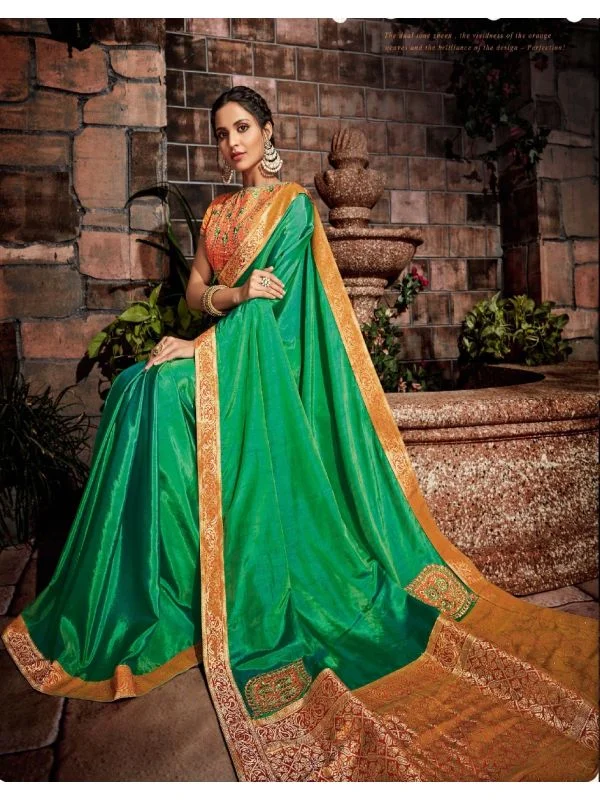
Indian traditional clothing keeps changing as it mixes age-old designs with modern style. Creative changes have made these clothes perfect for today's lifestyle.
The mix of traditional elements with modern cuts creates versatile options for daily wear. Short kurtas with jeans make a comfortable yet stylish choice. Ethnic jackets over simple dresses add a unique traditional touch to casual outfits.
Modern fabrics like georgette, crepe, and satin have taken the place of heavier traditional materials. These changes make the garments more practical for everyday use. Light fabrics like cotton and linen have made casual sarees a popular choice for daily wear.
Today's designers breathe new life into traditional garments with fresh approaches. Karan Torani creates dreamlike collections using lightweight Chanderi and Chintz. He uses natural fibers and AZO-free dyes.
Designer duo Abu Jani and Sandeep Khosla have raised traditional crafts to high art. Their work includes Chikankari, Ajrak, mirrorwork, and Bandhani. Many homegrown labels create unique interpretations:
The right traditional attire for different occasions comes down to understanding cultural subtleties and respecting age-old customs. Every celebration needs specific clothing that shows its importance.
Indian weddings need careful wardrobe choices for multiple ceremonies. The mehendi ceremony usually sees guests in green outfits because of its traditional meaning. The main ceremony has one simple rule - don't wear red as it belongs to the bride. Your best choices are:
Post-wedding celebrations still call for formal wear. Women look great in designer suits or sarees, while men shine in bandhgalas or achkans.
Traditional wear changes with each festival and regional custom. The festive calendar brings out specific garments that work best:
Silk sarees and kurta sets in bright colors represent wealth during Diwali. Red or pink outfits are perfect for Karva Chauth because of their symbolic meaning. Simple cotton clothes work best for Holi since they can handle the colorful celebrations.
Religious ceremonies need extra attention to dress codes. Remember these basics:
Cultural programs need authentic regional wear. To name just one example, the Ghagra Choli holds special meaning in Rajasthan and Gujarat, with its mirror work perfect for traditional dance shows.
Traditional Indian clothing serves as a cultural bridge worldwide. Indian communities love seeing non-Indian guests in traditional outfits at cultural events. Modern takes keep cultural authenticity through:
The right accessories make traditional outfits stand out. Jewelry plays a vital role - maang-tikka, earrings, nose rings, and bangles complete the look. Married Hindu women's ornaments are part of the essential Solah Shringaar.
Handloom traditions help rural communities grow economically. Wearing traditional clothes honors cultural heritage and supports local artisans' work. These garments also offer practical benefits with natural fabrics that work well in different weather conditions.
Traditional Indian clothing beautifully blends heritage with modern style, making it perfect for every occasion. From exquisite sarees to elegant lehengas, each piece at Shashini Fashions reflects craftsmanship, culture, and grace. Our collection embraces authenticity while adapting to contemporary trends, ensuring you find the perfect outfit for weddings, festivals, and everyday elegance. Celebrate India’s rich fashion legacy with Shashini Fashions!



Comments