Currency
INR

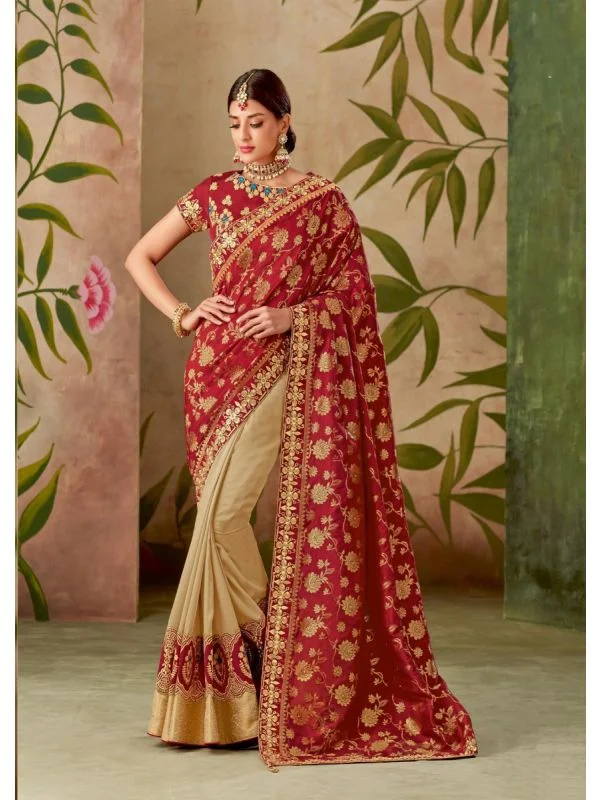
Silk sarees have held a special place in Indian culture since 1928, with iconic establishments like Nalli Silks leading the way. These masterpieces showcase our rich heritage through detailed craftsmanship and deep cultural roots.
The silk saree world presents an incredible range of options. Classic Kanchipuram and Banarasi styles stand alongside the graceful Chanderi silks. Traditional pure silk Kanchipuram sarees command prices between ₹19,635 and ₹27,333, yet families treasure them as valuable investments for special occasions and traditions. Modern interpretations now blend with these classic designs while preserving their traditional essence.
The trip of silk sarees from traditional garments to contemporary fashion statements shows the remarkable adaptability of Indian craftsmanship. These elegant pieces have managed to keep their cultural significance through generations, which speaks volumes about their transformation.
Silk saree creation starts with time-honored weaving methods passed down through generations. Petni, Kondi, and Reku emerge as three distinctive traditional techniques handloom weavers use to create the pallau, body, and border of silk sarees in solid colors.
Warp loading begins the process as yarn sheets move carefully to the weaver's beam. Each silk strand needs manual joining to old warp threads, and this meticulous process takes 2-3 days to complete. Traditional handloom weavers show both artistic skill and technical expertise when they turn intricate designs into cloth with remarkable precision.
Kanchipuram silk sarees, dating back to the Pallava kings' era, illustrate the pinnacle of traditional weaving. These masterpieces showcase the ancient craft of 3-shuttle weaving and interlocking weft technique, known as korvai, that creates their distinctive contrasting borders and pallau.
Modern innovations have changed silk saree design. Weavers now use unconventional materials, digital prints, and mixed textile traditions to create unique pieces. Automated design process has taken over traditional methods, where motifs get scanned, traced, and filled with bitmaps before moving to punch cards.
Today's designers experiment with:
Traditional and innovative fusion demonstrates several groundbreaking concepts. The color-changing saree and the innovative zip-n-wear saree with four different but matching pallus show how modern technology boosts traditional designs.
The reversible saree now offers four different styling options with two blouse pieces. The Jugalbandi saree collection combines North Indian elements like kundan and bead work with pure South Indian silk traditions masterfully.
Designers continue to expand possibilities through experimental techniques. Innovative methods like digital printing and laser-cut embellishments have changed silk sarees into canvases for bold, avant-garde expressions. Strategic collaborations between traditional weavers and contemporary designers have altered the map of saree design, creating collections that honor timeless elegance while adopting modern sensibilities.
This blend of heritage and innovation will give a younger generation sarees that keep their cultural essence. These adaptations create a bridge between different generations and make sarees appealing to young fashion enthusiasts.
Pure silk sarees showcase the finest Indian textile craftsmanship. Each variety displays unique characteristics and weaving traditions. The grandeur of Kanchipuram and the understated elegance of soft silks fascinate saree lovers worldwide.
Kanchipuram silk sarees from Tamil Nadu stand as the crown jewel of Indian textiles. These magnificent pieces come from pure mulberry silk, known for exceptional quality and durability. The saree's body, border, and pallu need three distinct threads that skilled weavers use to create unmatched craftsmanship.
The collection includes several distinctive styles:
Real Kanchipuram sarees show unique features like miniature pinholes along the borders - proof of the traditional temple-based weaving process.
Soft silk sarees blend comfort and sophistication perfectly. These sarees flow naturally without heavy starching, unlike traditional heavy silks. Prices range between ₹9,551 and ₹16,669, making them available to different budgets.
These versatile pieces come in many styles:
Soft silk sarees keep their shine even after multiple uses. You can wear them for special occasions and regular days. Working professionals love them for their lightweight nature and minimal zari work.
Modern silk breakthroughs have brought exciting fusion varieties that respect tradition while adopting contemporary esthetics. Tussar silk sarees, made from wild silk, show a unique natural golden sheen with tribal art motifs. Mysore silk sarees illustrate the perfect blend of tradition and modern sensibilities with their smooth texture and vibrant colors.
Other notable modern varieties include:
Millennials love these contemporary blends because they offer traditional elegance with modern comfort. The designs feature geometric patterns, subtle zari work, and creative color combinations. You can wear them to office or festive celebrations.
Buying a genuine silk saree takes a keen eye and knowledge of quality indicators. You'll find many options in the market, and knowing real silk from fake ones will give a good return on your investment.
You can check if a silk saree is real through several reliable tests. Real silk feels soft and heavy to touch, unlike synthetic ones that feel slippery and light.
Pure silk has a unique natural shine. It shows a subtle, multi-dimensional glow that changes when you look at it from different angles. Synthetic materials just show a flat, uniform shine.
The burn test is the most reliable way to check. Burn a small thread from the saree - pure silk smells like burnt hair and leaves black ash. Synthetic materials give off a chemical smell and turn into hard beads.
Here are some ways to check without damaging the saree:
A Silk Mark certification from the government is proof of authenticity. This certification comes with a hologram tag and details about the silk type and who made it.
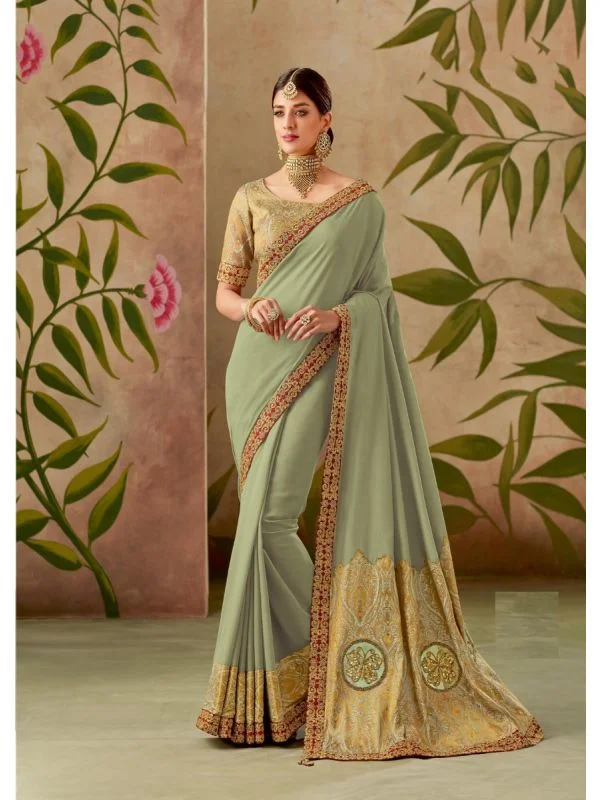
The link between price and quality helps you make smart buying choices. Here's what affects pure silk sarees' cost:
The type of silk is a big factor in pricing. Rare silks like Muga or Eri cost more than Mulberry or Tussar varieties. Hand-woven sarees with detailed designs and heavy zari work are expensive because they take time and skill to create.
Zari work quality affects the saree's value. Sarees with real gold or silver zari cost more than those with imitation work. Where the saree comes from matters too - a real Banarasi saree from Varanasi costs more than machine-made ones.
Think about these things when looking at price and quality:
Maintenance costs should be part of your buying decision. High-quality silk sarees need special care, while machine-made ones are easier to maintain. With proper care, real silk sarees can become family treasures, making them worth the investment.
Silk saree styling has grown beyond its traditional roots and now offers countless ways to express modern fashion sense. These versatile pieces blend naturally with any occasion, from casual outings to formal events.
Lightweight silk sarees without borders create a minimal yet sophisticated look that's perfect for everyday elegance. You can move comfortably and drape these pieces with ease. Your casual look becomes effortless when you pair your saree with:
Boat neck blouses with subtle embroidery work great for informal events, especially with minimal jewelry. Your overall appearance improves with sleek buns or loose curls.
The workplace just needs a perfect balance between tradition and modernity. Subtle and elegant sarees in muted colors like pastels, beige, or gray work best in professional settings. Your office wear should include:
Soft silk sarees without heavy zari work are excellent choices for corporate environments. A high-neck blouse with minimal detailing creates a polished professional look.
Silk sarees give you many styling options to create memorable ensembles for celebratory events. Modern blouse designs and contemporary color combinations can update traditional bridal silk sarees.
Your special occasion looks shine with:
Evening events look stunning with:
Modern innovations like reversible sarees now give you four different styling options with matching blouse pieces. The saree world has changed with jacket-style blouses and contemporary draping techniques.
A fusion look comes alive when you layer your silk saree with a tailored blazer or add Indo-western elements. Fashion-forward people love this blend of cultural heritage and modern esthetics.
The beauty of silk sarees can last generations with the right care and attention. These gorgeous pieces need proper handling and storage methods to keep their charm intact.
Your silk sarees stay best when wrapped in pure cotton or muslin cloth that shields them from their biggest enemy - moisture. Keep these delicate treasures in a cool, dry spot away from sunlight to protect their colors and fibers.
Padded hangers work great for lightweight silk sarees, but you should limit their use. The heavier sarees with zari work or embellishments need careful folding to avoid fabric stretching.
Your fabric will stay perfect if you:
A simple trick makes a big difference - change how you fold your sarees every few months. This helps the saree drape beautifully and stops the fabric from getting weak along the fold lines.
Professional dry cleaning works best for silk sarees, especially those with heavy work. If you must wash them by hand, here's what you should do:
Start with cold water in a basin and mix in a teaspoon of mild detergent made for delicate fabrics. Move the saree gently through the solution - no scrubbing or twisting that might harm the silk fibers.
Stains need quick action. Never rub the fabric - just blot the spot with a clean cloth. Tough food stains need special care:
After washing, lay your saree flat on a clean, dry towel instead of wringing it out. Roll up the towel with the saree inside and press softly to remove water. Let it air dry in the shade since direct sun can fade the colors.
Your sarees will stay fresh longer if you:
Kanchipuram silk sarees need extra care. These beauties should get their first cleaning from professionals to keep their unique shine. Stay away from harsh chemicals and spot cleaning with strong solutions - they'll ruin the fabric permanently.
Silk sarees are more than just garments—they are timeless treasures that connect generations. At Shashini Fashions, we bring you an exquisite collection that blends traditional weaving techniques with modern versatility. From the regal elegance of pure Kanchipuram silk to contemporary blends for everyday wear, our sarees cater to every occasion. With expert craftsmanship and the finest materials, each saree is designed to be a lasting symbol of grace and heritage. Explore our collection and find a piece that tells your story. Shop now at Shashini Fashions.



Comments