Currency
INR

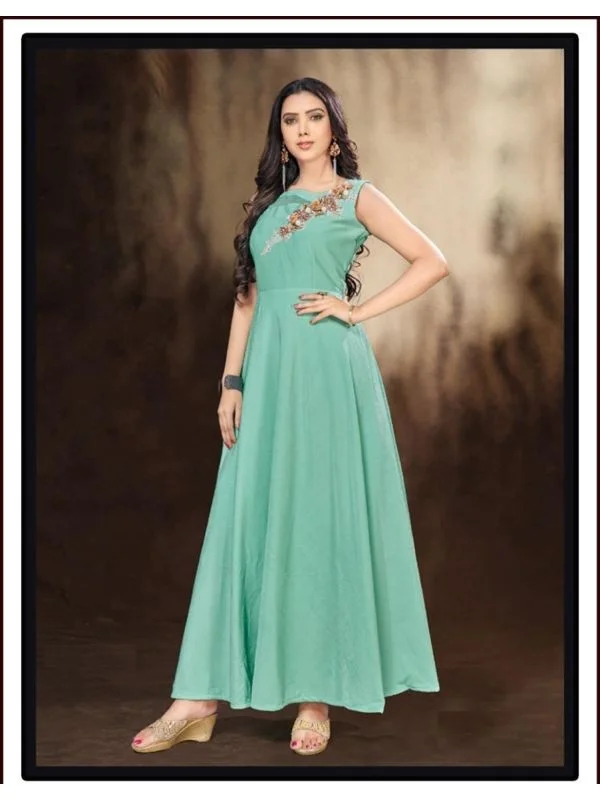
The word "gown" has an interesting origin - it comes from the Saxon term "gunna," which represented a loose outer garment that shaped fashion for more than a thousand years. Looking at different types of gowns today shows how this versatile garment evolved from its European roots in the Early Middle Ages into a symbol of elegance and status.
The medieval camora appeared in 1500s Italy, followed by decorated gowns in American colonies. These styles showcase the incredible variety in designs throughout history. Let me walk you through the world of different gowns and their names - everything from stunning ball gowns to elegant evening wear. This detailed guide will help you understand how these garments managed to keep their importance through centuries while adapting to modern fashion needs, whether you're looking for ladies' gowns or specific types of ball gowns.
The sort of thing i love about gowns started in medieval Europe, where these garments symbolized social status and wealth. Gowns from the early medieval period featured intricate designs made from heavy, ornate fabrics that set nobility apart from commoners.
Medieval ladies wore a linen chemise as an undergarment with multiple ankle-length tunics. The bliaut girone brought state-of-the-art changes with its fitted upper portion and low waistband, which often had an elegant long belt.
Gown design changed dramatically during the Renaissance. Expensive fabrics like silk, velvet, and brocades became popular and featured detailed lace work and embroidery. Italy's, France's, and Spain's courts shaped these styles and created new standards for formal wear.
Victorian era gowns brought revolutionary elements to fashion. The crinoline's invention in the mid-19th century created distinctive silhouettes that emphasized the wearer's figure. These gowns had high necklines and long sleeves that made them different from everyday clothes.
Designers moved away from restrictive corsetry in the early 1900s. Paul Poiret and other trailblazing designers brought back empire-style dresses that allowed people to move freely.
The 1920s showed a dramatic change with flapper style gowns. These designs had dropped waistlines and knee-length hemlines that broke from tradition. On top of that, Jeanne Lanvin created the romantic 'Robe de style' as an alternative to the popular boyish look.
Feminine silhouettes became popular in the 1930s through the bias cut technique that let fabric drape over the body. Gowns became more sophisticated and form-fitting during this time.
Christian Dior showed his 'New Look' in 1947 with full skirts and cinched waists. This design celebrated post-war femininity and brought back luxurious fashion. The style stayed influential throughout the 1950s, along with Balenciaga's groundbreaking Sack dress design that contrasted with typical cinched waist silhouettes.
Gown designs reflect changing fashion priorities and broader social changes. Each era added unique elements to gown design's mixture, from medieval social hierarchies to 1920s liberation, and from 1950s post-war optimism to modern designs.
Different types of gowns can help you make smart choices for any occasion. Each gown style creates its own impression, whether you're heading to a grand celebration or an intimate gathering.
Ball gowns stand at the peak of formal attire with a fitted bodice that flares out at the waist. These stunning pieces use luxurious fabrics like silk, chiffon, and taffeta. Beautiful beadwork and lace embroidery add to their charm. They work best at formal gatherings and galas. Women with pear-shaped figures look amazing in ball gowns as they hide the lower torso.
Evening gowns blend cultural influences with design inspiration. Designers mix classic silhouettes and rich traditions to create pieces that strike a chord with people worldwide. Dark-colored ball gowns look graceful at formal events. Pastel shades create a dreamy, ethereal look that's perfect for romantic occasions.
Cocktail gowns balance formal and casual wear, usually falling just below the knee. These adaptable pieces include:
Today's cocktail gowns showcase innovative elements like asymmetric hemlines and modern necklines. These designs let you move easily on the dance floor compared to full-length formal gowns.
Wedding gowns mark life's most precious moments. The mermaid style hugs the body until it flares below the knees. This creates a striking silhouette that shows off curves beautifully. Empire waist gowns sit high just below the bust. They bring comfort and elegance, making them ideal for petite frames.
A-line gowns look great on everyone. Their fitted bodice widens toward the hem. Sheath gowns offer sophistication with their straight, body-skimming silhouette. Trumpet gowns provide a middle ground - they fit snugly through the bust and hips before flaring out at mid-thigh.
Special occasion gowns often feature:
Each gown type serves its purpose. The secret lies in picking one that matches both the occasion and your style. The right gown should boost your confidence while making you feel comfortable and complementing your natural shape.
Your perfect gown needs more than just a beautiful design. The right choice comes from knowing your body shape, personal style, and the event type. Let's help you make this choice with confidence.
Your natural silhouette should guide your gown selection. These five body types will help you understand how different gowns look and fit:
Colors and fabrics can improve your gown's look by a lot. Subtle shades like peach, light blue, and gray work well for formal evening events. Deep colors like wine, red, and maroon are great choices for weddings and festive occasions.
Your fabric choice shapes how a gown drapes and feels. Here are some popular options:
The season and venue should guide your fabric choice. Chiffon and other light, breathable fabrics are perfect for summer events. Heavier materials like velvet shine in winter occasions. Your venue's environment and temperature control matter too - indoor and outdoor settings need different approaches.
A few simple tests can help you assess fabric quality:
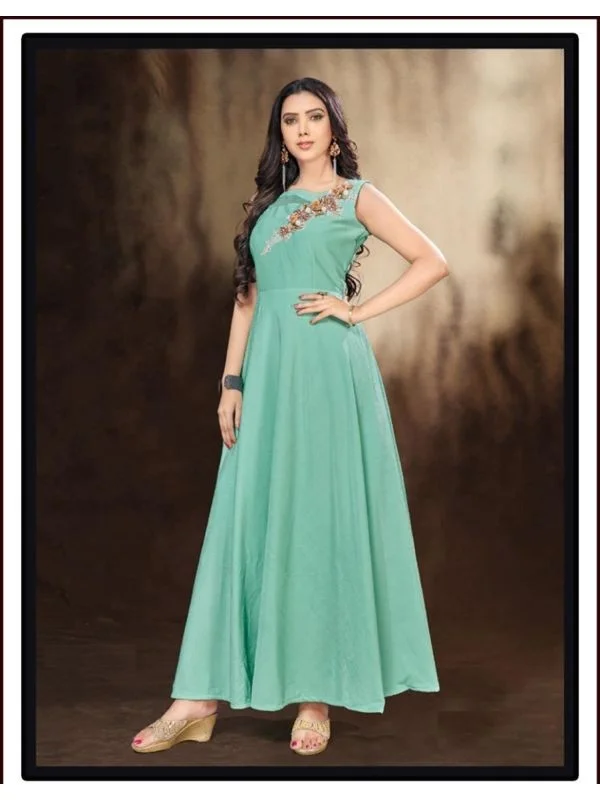
Becoming skilled at gown styling can turn a beautiful garment into a breathtaking ensemble. Each occasion just needs its own unique touch with accessories, colors, and presentation.
Black-tie events and galas call for careful attention to detail. Floor-length gowns in luxurious fabrics make an impeccable impression. The venue plays a crucial role - outdoor summer galas call for different styling choices than indoor formal dinners. Events with outdoor areas work better with thicker heels instead of stilettos to help you traverse grassy spots with ease.
Here are some vital styling tips for formal events:
Semi-formal events give you more room to play with gown selection and styling. You can pick knee-length or midi dresses, among floor-length options. Evening gatherings look great with darker tones and varied textures, while daytime events shine with lighter colors and patterns.
Your semi-formal styling should focus on:
Jewelry makes a big difference in semi-formal attire. Statement pieces can raise a simple gown's appeal, but note that balance matters - bold earrings mean keeping other accessories simple.
Daytime events take a different approach to gown styling. Light, flowing fabrics shine at these occasions. Business luncheons or professional daytime events look best with crepe dresses that blend sophistication and comfort.
Colors matter more during the day. Neutral tones work everywhere, but rich shades like deep purple or burgundy can add class with the right styling. Your choice should match the season - light fabrics for summer, heavier ones for winter.
Daytime event accessories deserve special attention:
Comfort stands above everything else. Your gown should let you move naturally without constant fixes. Good tailoring boosts your silhouette and creates a polished look.
These universal guidelines will help you nail your styling:
The fashion industry has seen remarkable changes in gown production as people become more environmentally conscious. New design and manufacturing approaches have transformed our perspective on formal wear.
Quality material selection forms the heart of eco-friendly gowns. Natural and biodegradable organic cotton grows without harmful pesticides or synthetic fertilizers. Designers now use several materials that protect our environment:
These materials protect the environment and keep the luxury feel that formal wear demands. High-quality natural fabrics in made-to-order designs create gowns that balance elegance with environmental responsibility.
Gown rental services have become a game-changer in eco-friendly fashion. Companies like Rent The Runway guide this movement by offering designer pieces for special events. One gown can now serve many wearers and reduce individual buying needs.
Research reveals the environmental benefits of reusing formal wear:
Platforms like Once Wed help couples find secondhand wedding dresses. Borrowing Magnolia makes eco-friendly choices more available by offering designer gowns at up to 80% off retail prices.
Many designers now adopt eco-friendly practices in their manufacturing. The Cotton Bride creates whimsical yet classic designs using luxurious, natural fabrics like cotton, linen, and silk. Katherine Feiel blends new and vintage fabrics to create unique pieces that showcase sustainability's creative potential.
Sustainable gown production goes beyond materials and manufacturing. Brands focus more on transparency so customers understand their purchase's ethical and environmental effects. This move toward eco-friendly practices helps our planet and creates meaningful garments for their wearers.
Gowns have long been symbols of elegance, evolving through time while maintaining their timeless appeal. Whether it’s a grand ball gown or a chic cocktail dress, the right choice enhances both style and confidence. Modern fashion blends classic beauty with sustainability, offering eco-friendly materials and rental options. At Shashini Fashions, discover gowns that celebrate your unique style while embracing conscious fashion. Make every moment unforgettable with the perfect gown!



Comments